Bath & cleansing
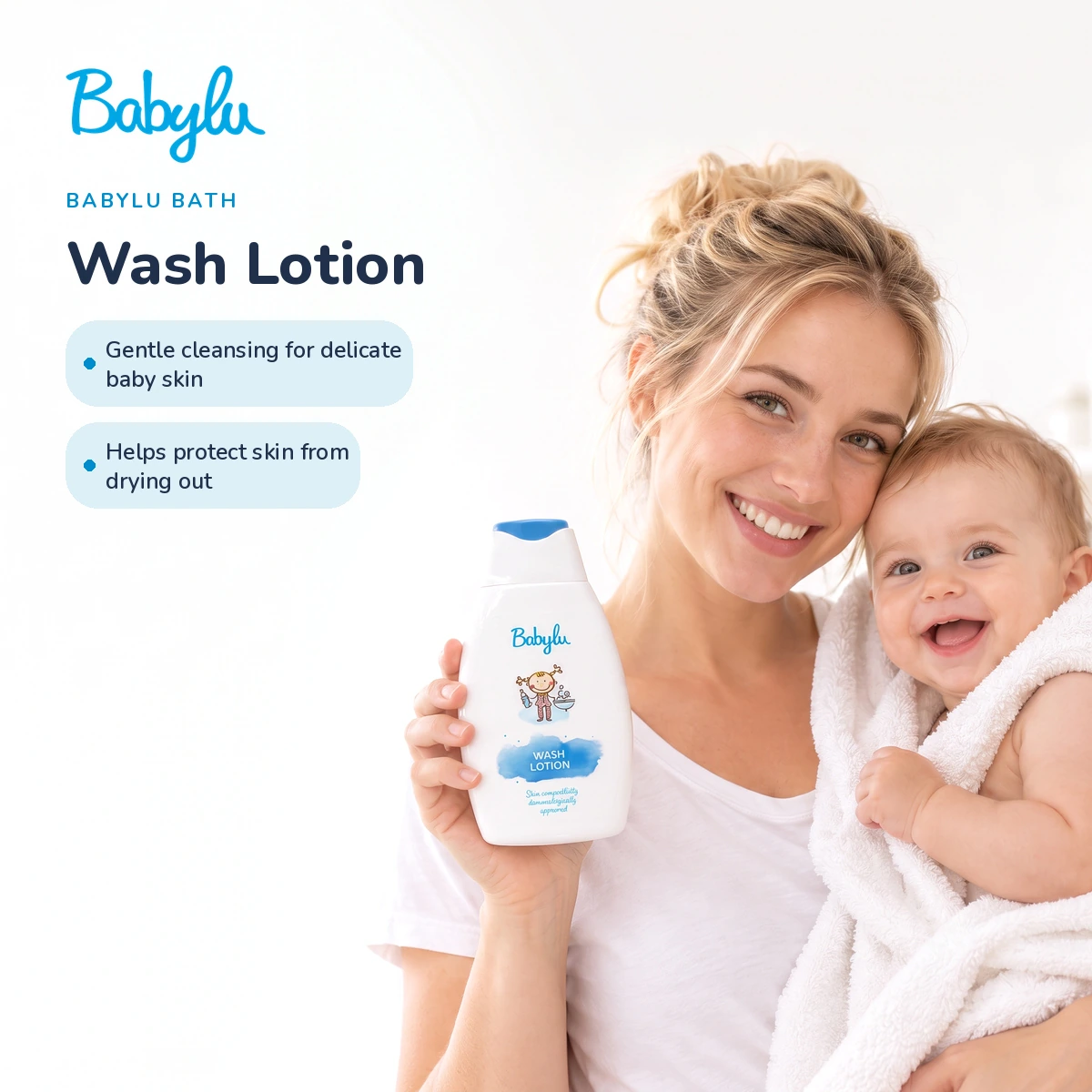
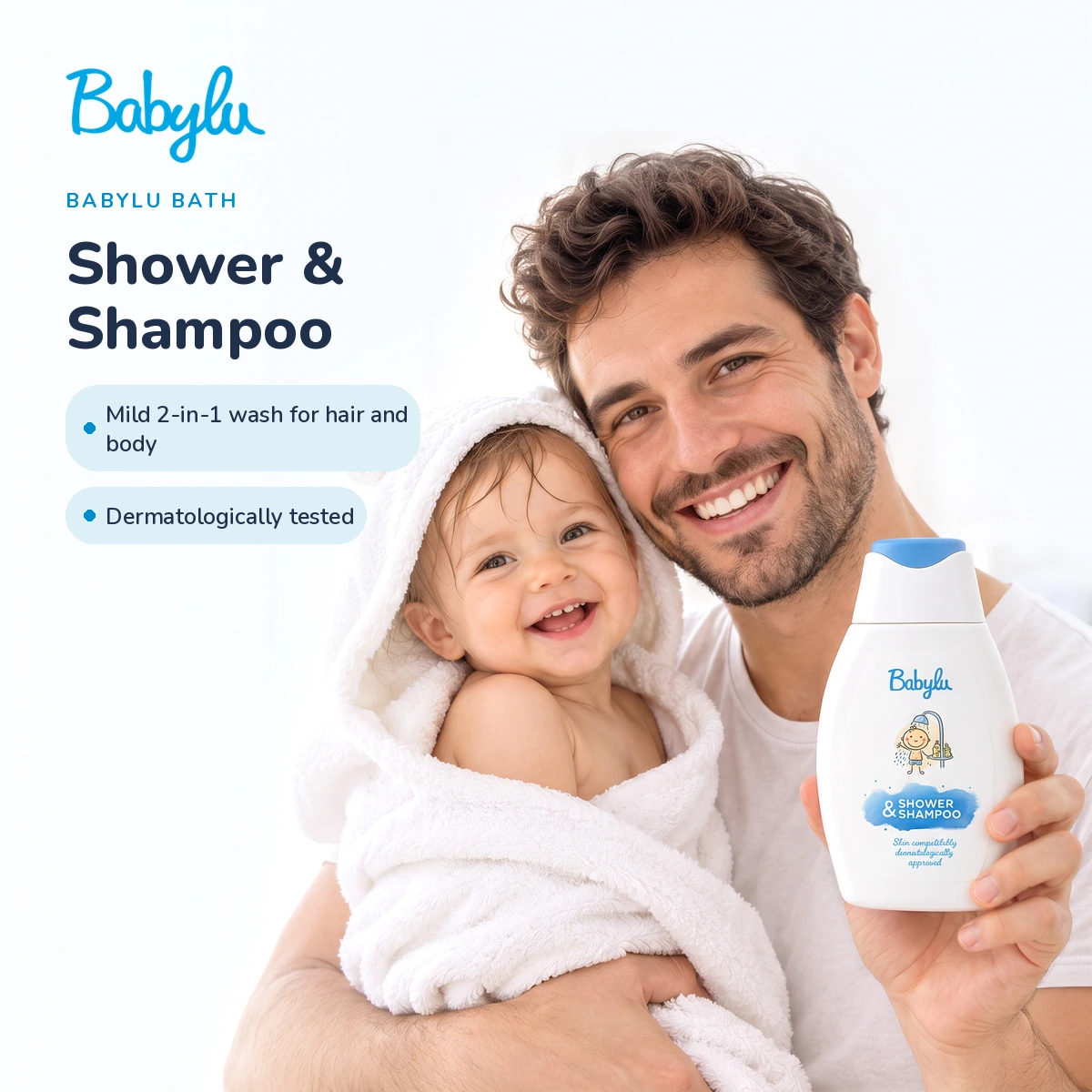
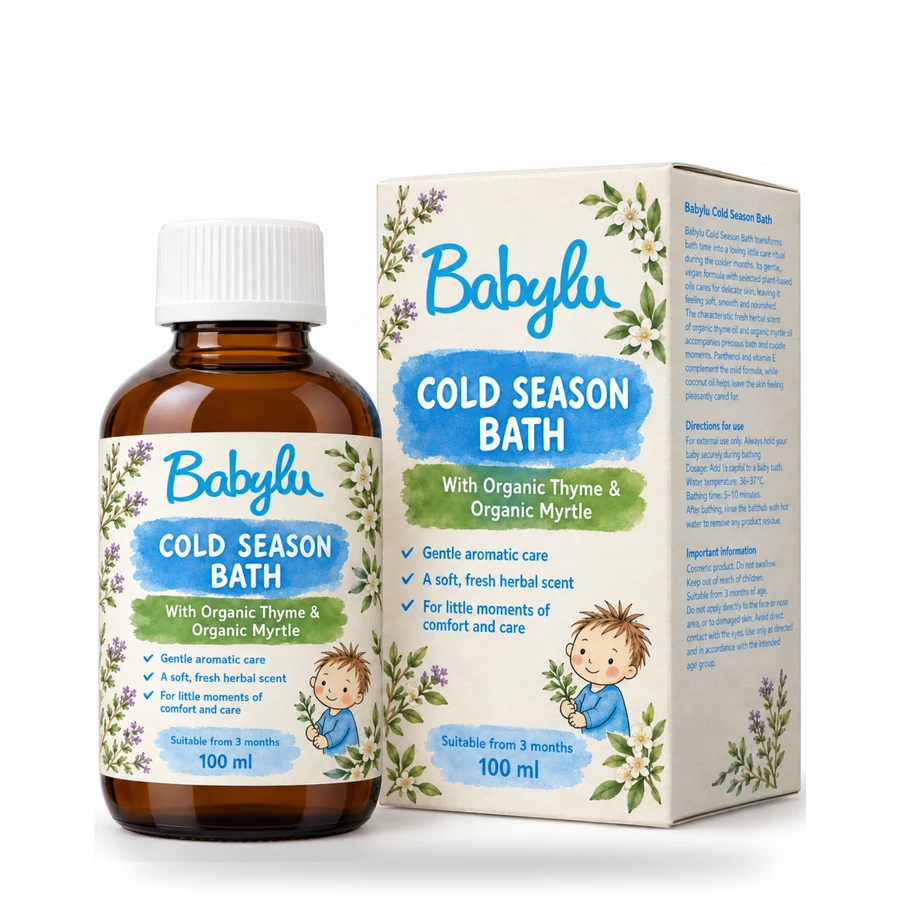
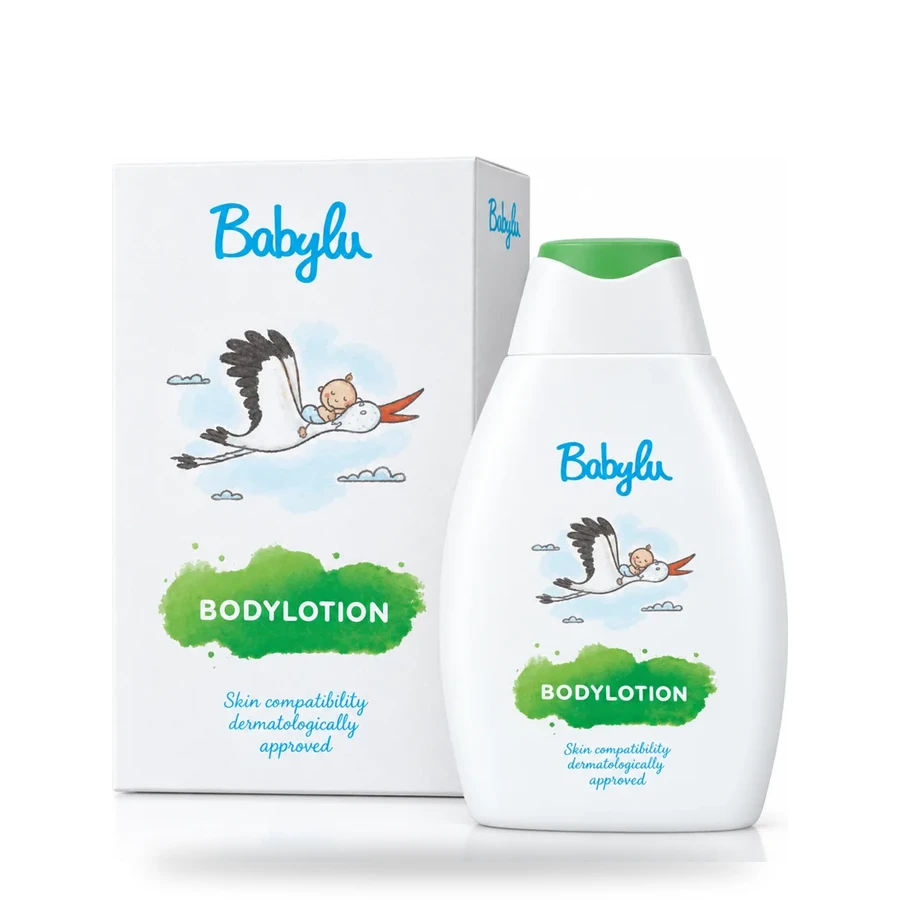
For the first bath and daily cleansing: gently cleansing products that respect the natural balance of delicate skin.
All ProductsGuide
Which product suits which moment? And what's inside the formulas? Find your way here.
For the first bath and daily cleansing: gently cleansing products that respect the natural balance of delicate skin.
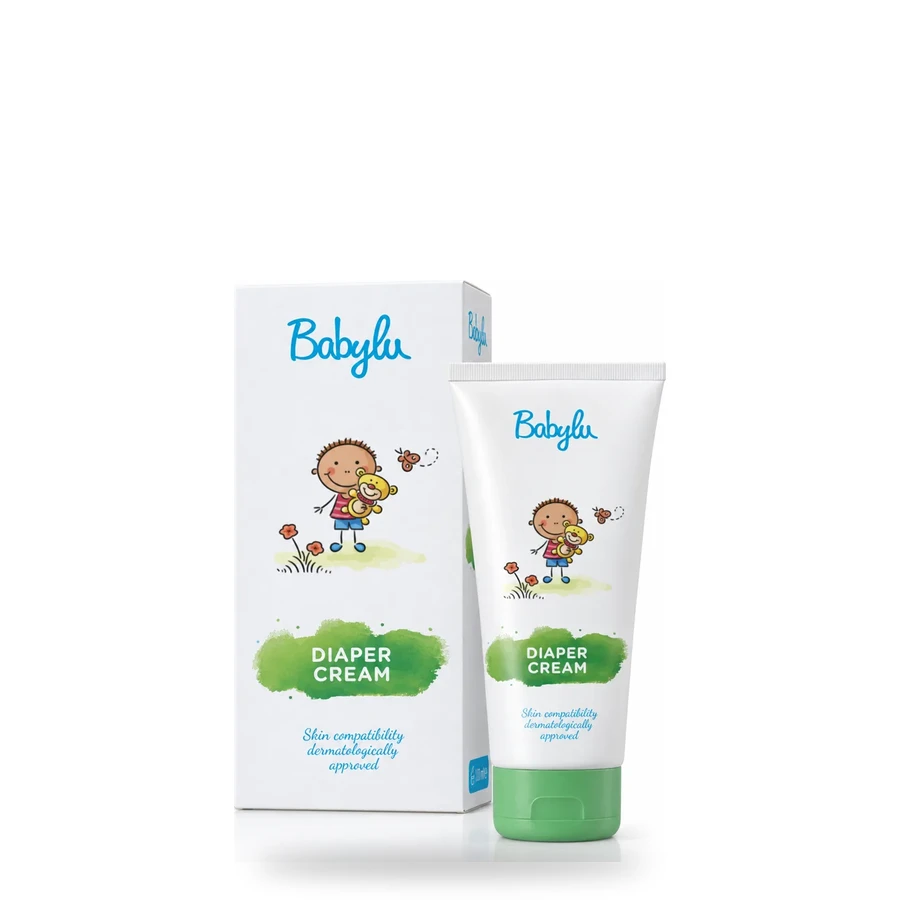
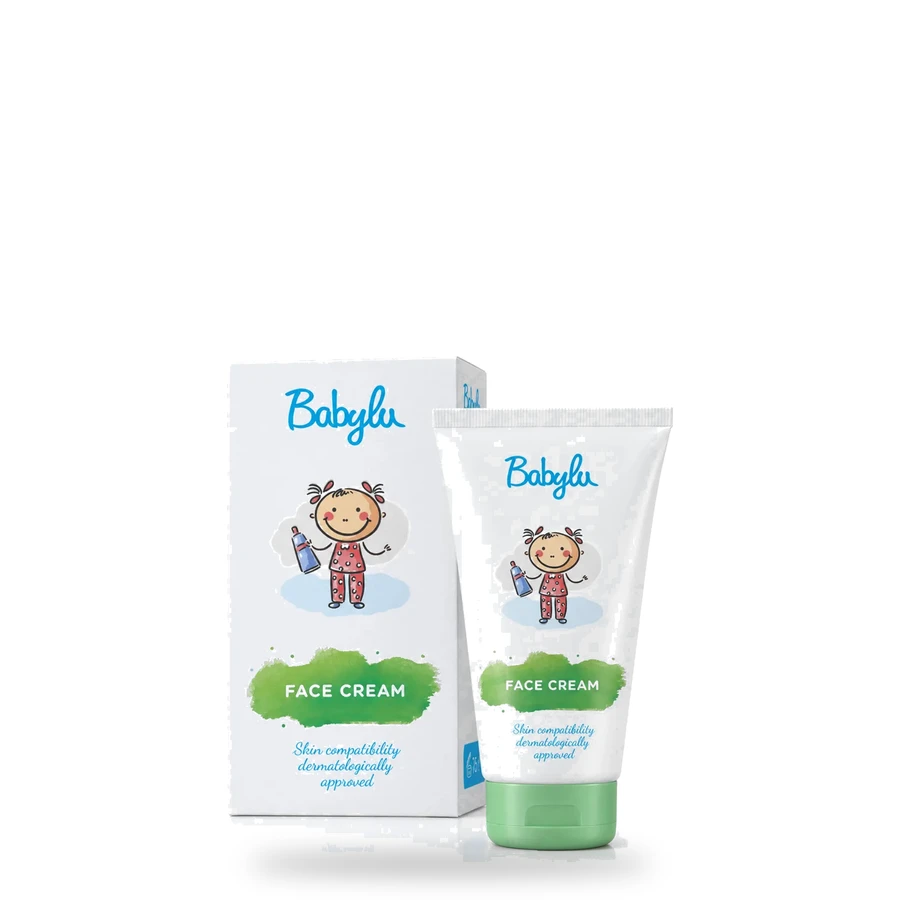
All ProductsAfter bathing and during nappy changes: care that protects sensitive baby skin and keeps it soft.
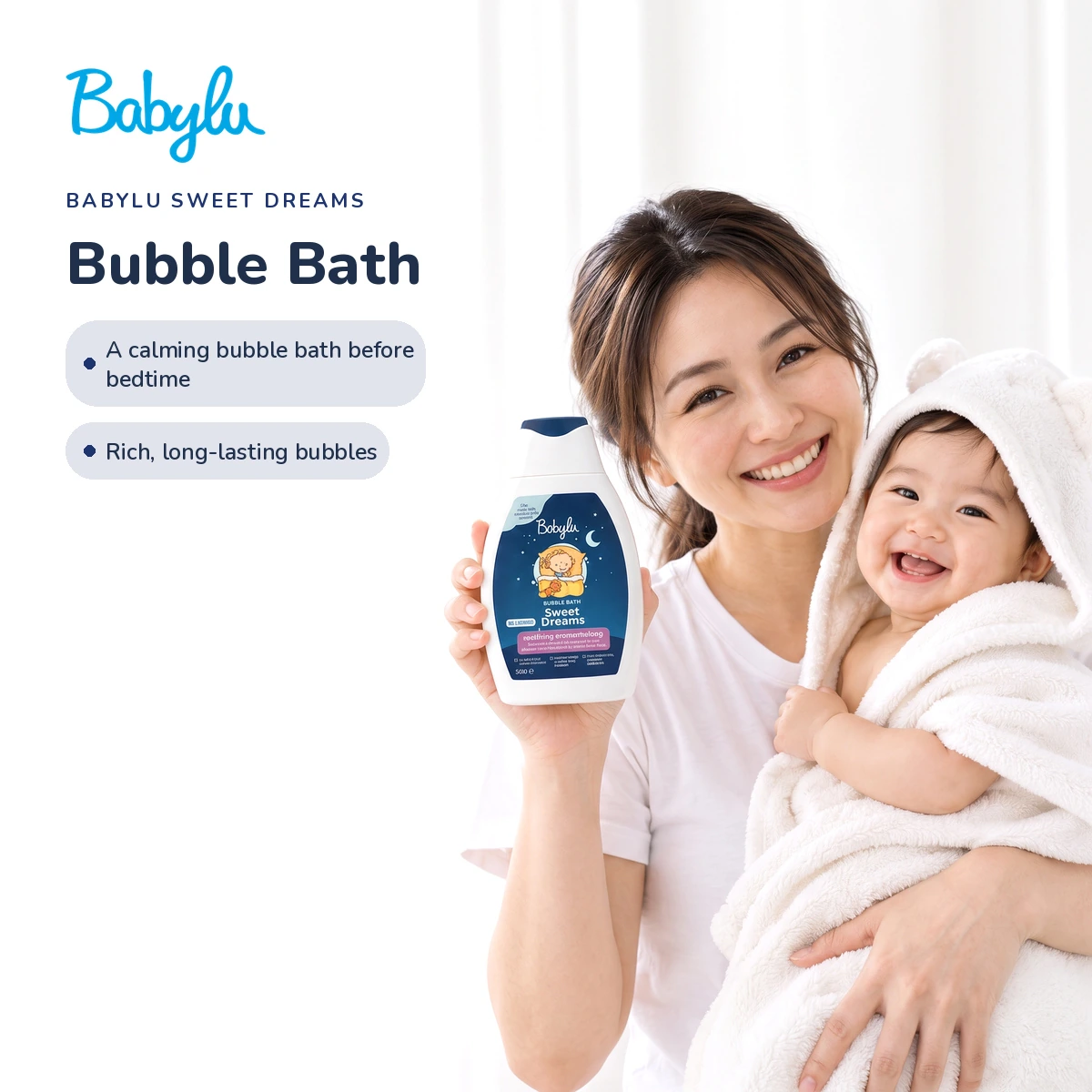
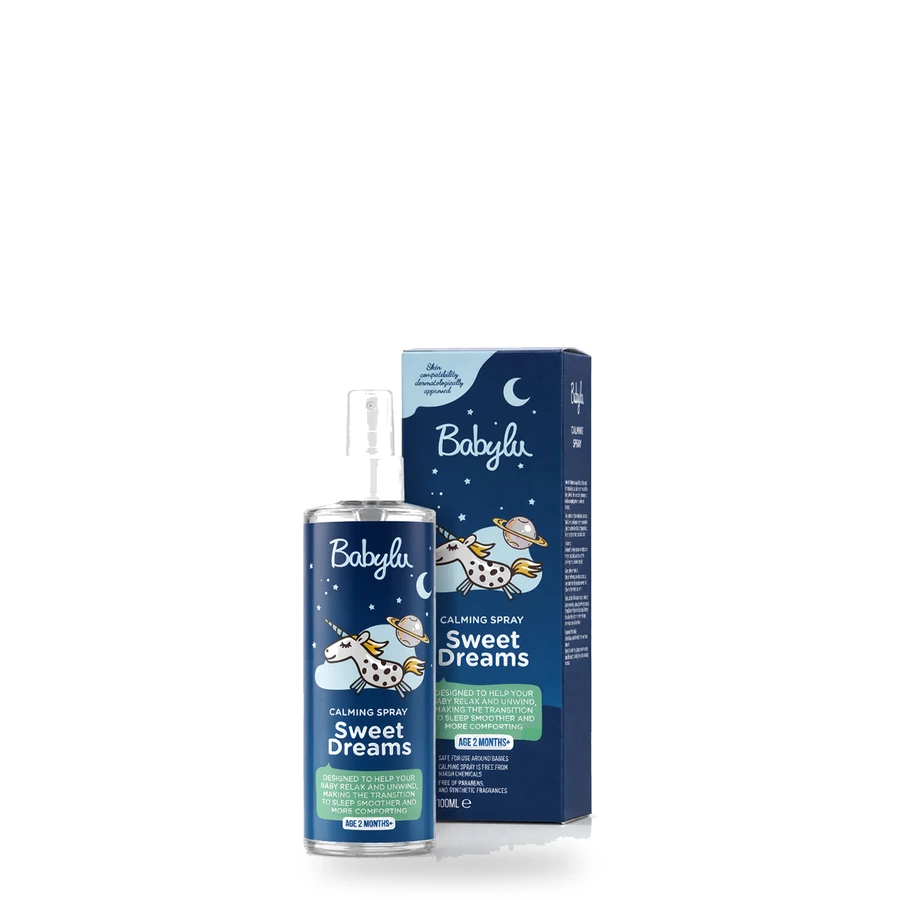
All ProductsBath time, moisturising, cuddles: Sweet Dreams accompanies the evening ritual with the gentle scent of lavender and chamomile.
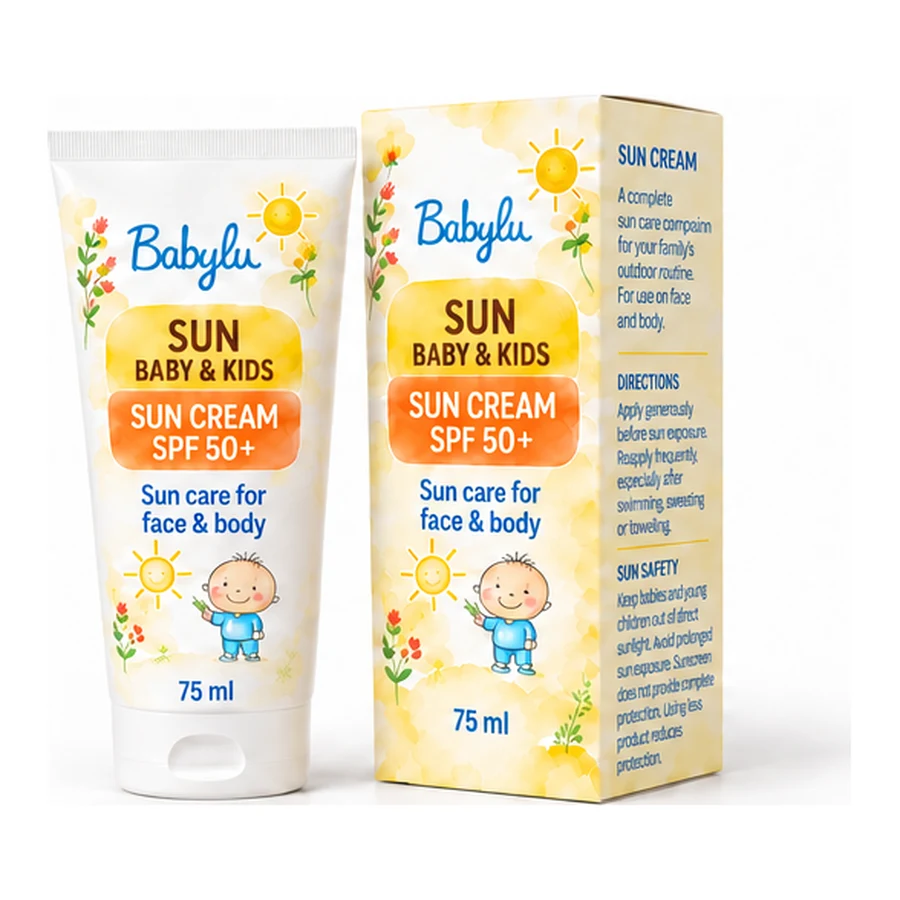
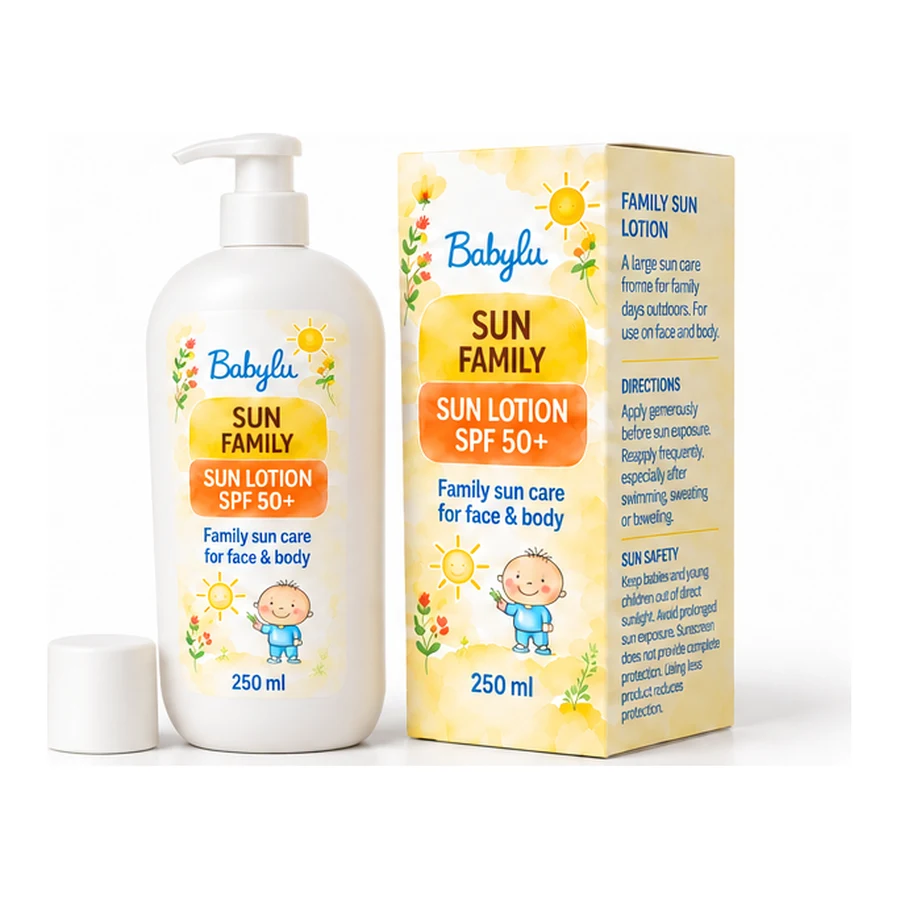
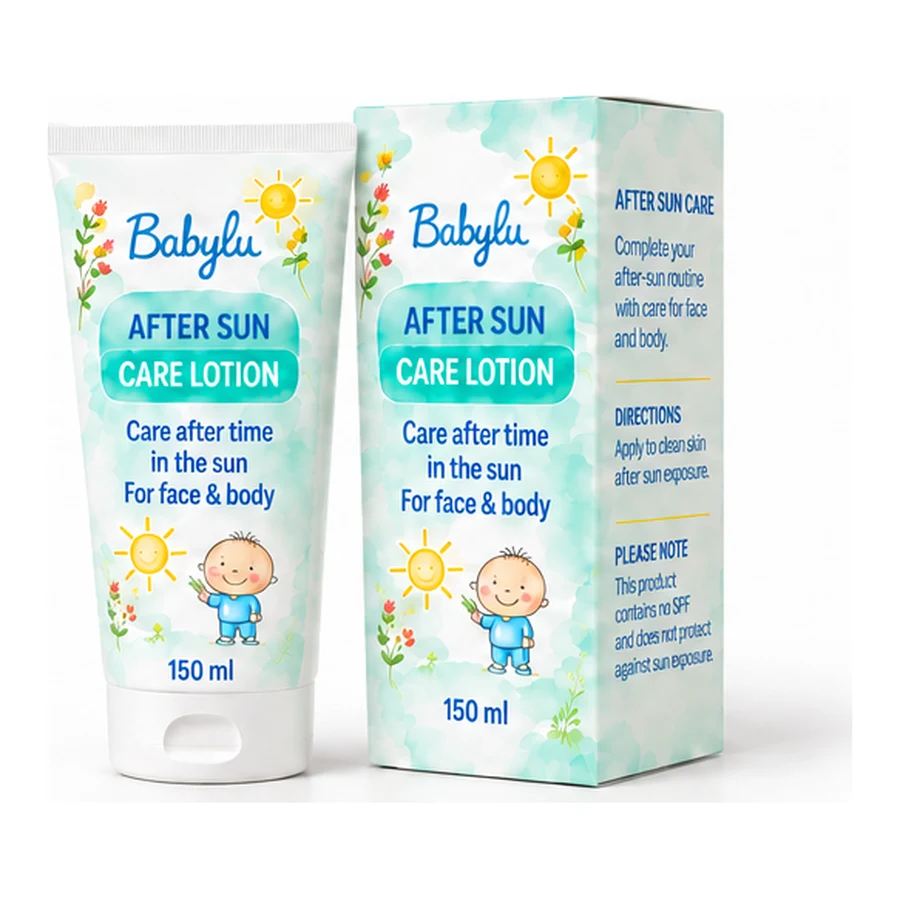
All ProductsApply sun care with SPF 50+ before time outdoors, then use the After Sun Care Lotion afterwards. Always protect babies and toddlers from direct sunlight.
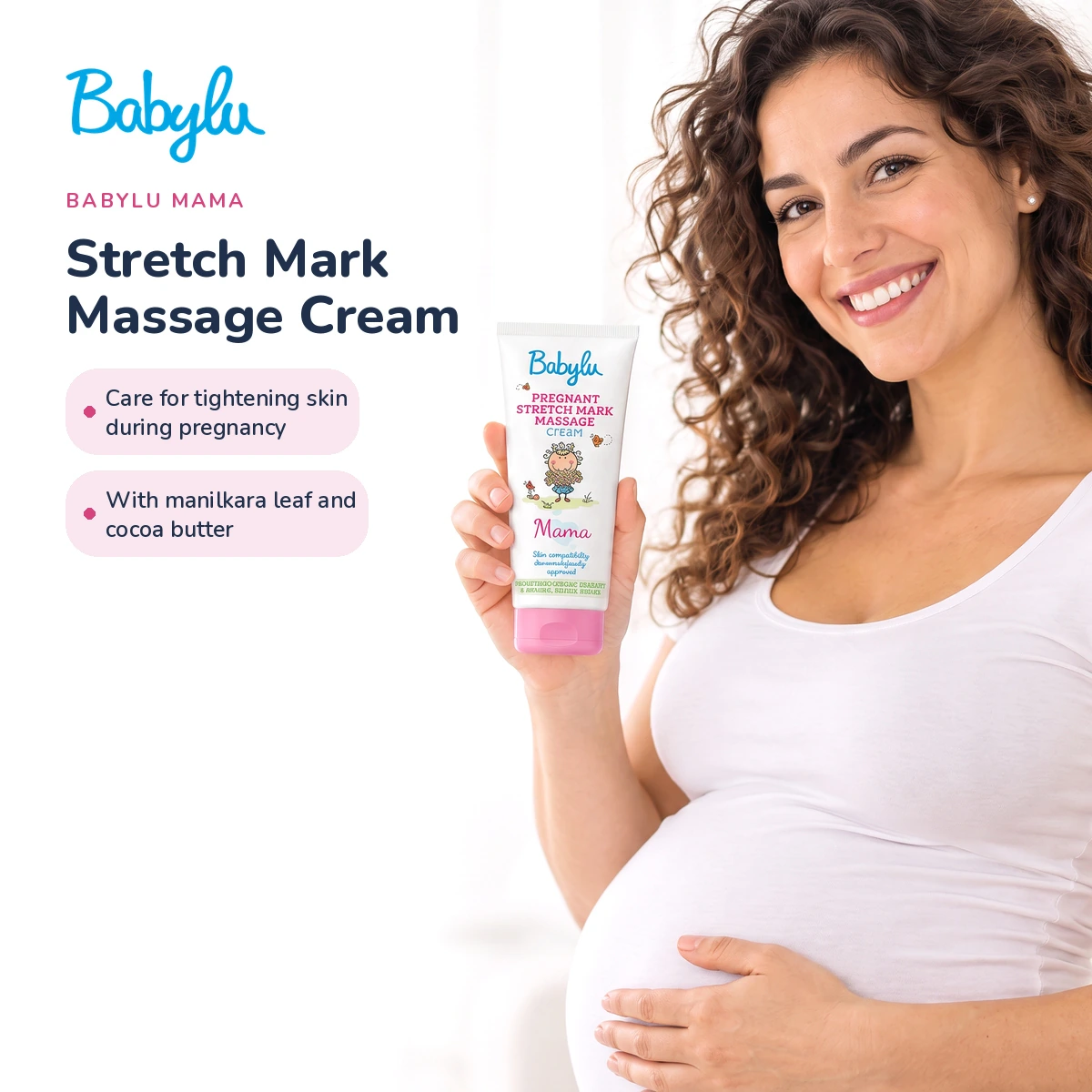
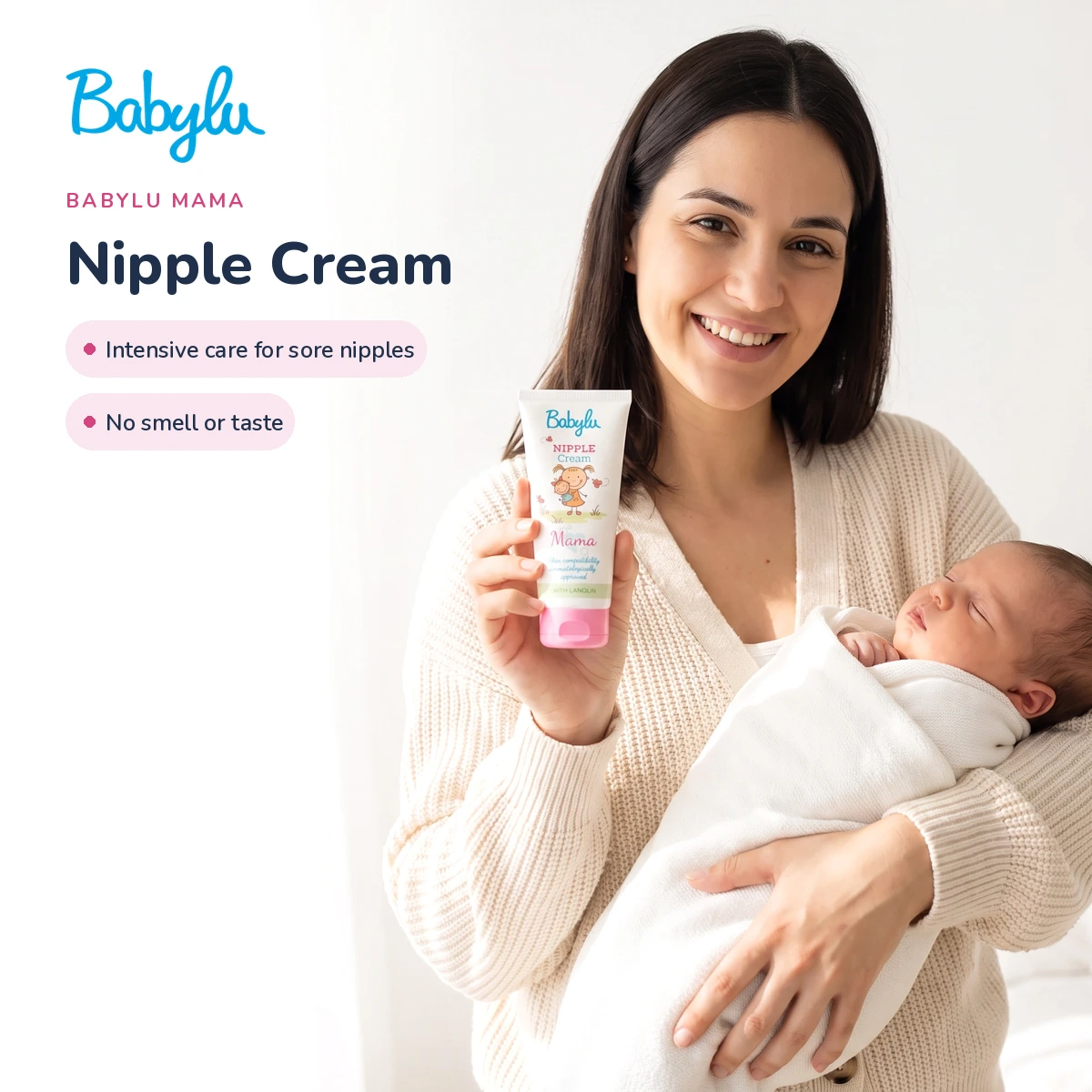
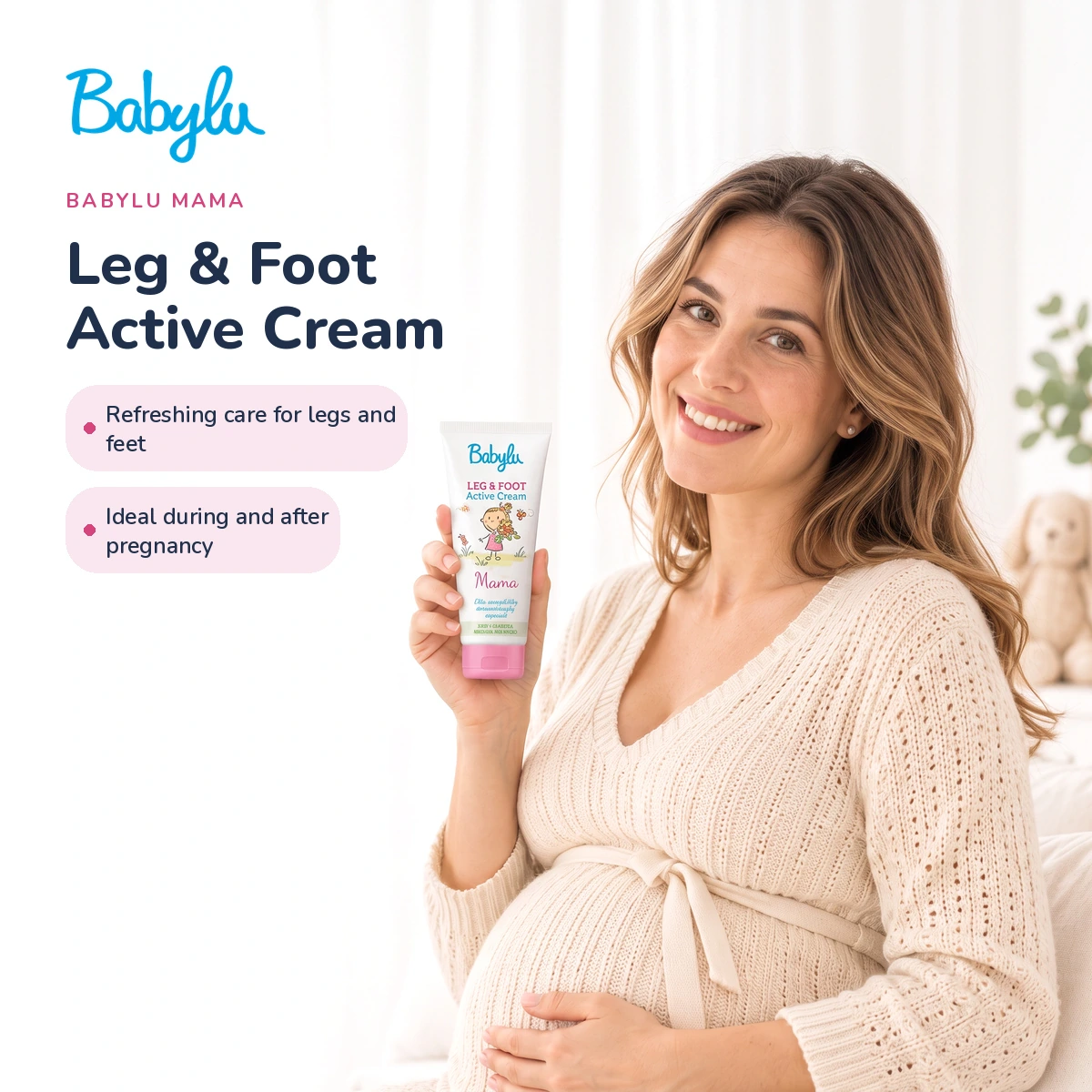
All ProductsFor pregnancy and beyond: care for skin, legs and the intimate area.
All Products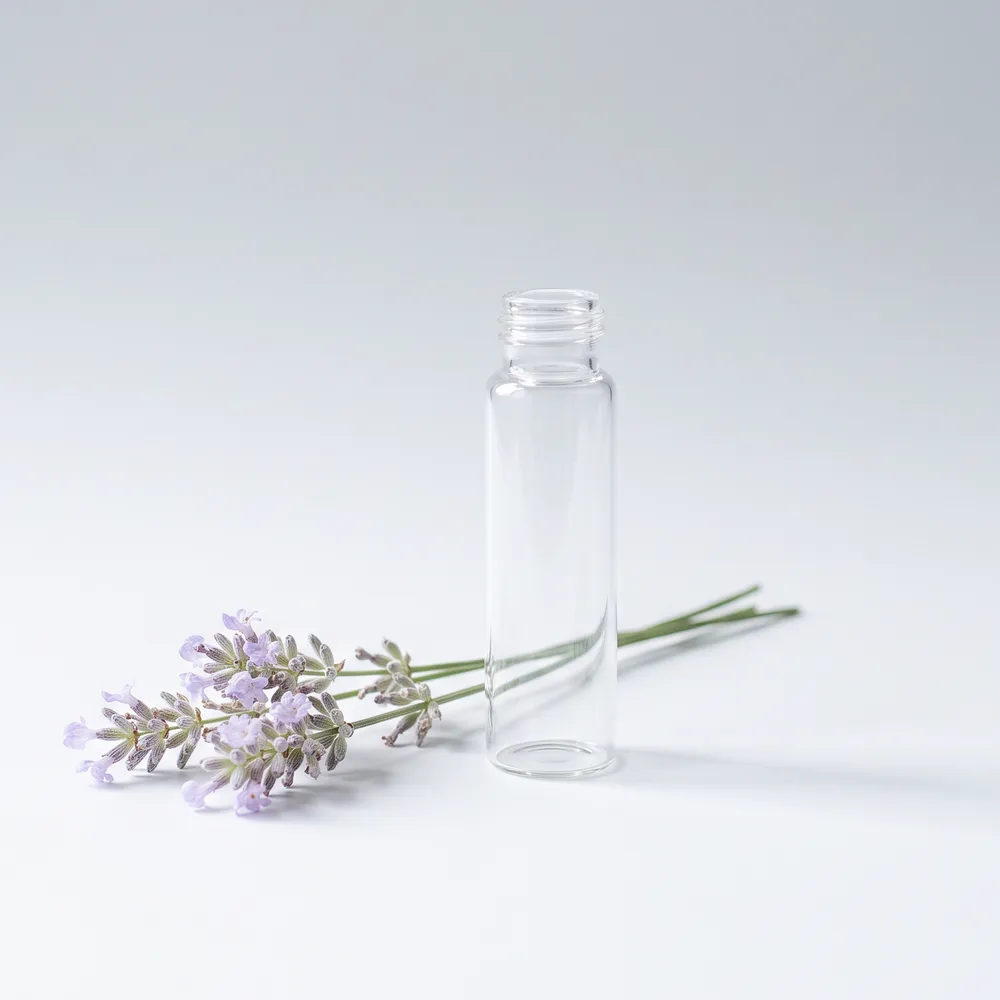
Ingredient
Lavender is known for its calming scent. It gives care products a relaxing note.
Lavender oil is obtained by steam distillation from the flowers of Lavandula angustifolia. Its main components are linalool and linalyl acetate, which give it its characteristic soft, floral scent.
In skin care and room sprays, it is valued for its calming, relaxing scent as part of evening rituals. In serums and balms, it adds a gentle botanical note.
More in the ingredient glossary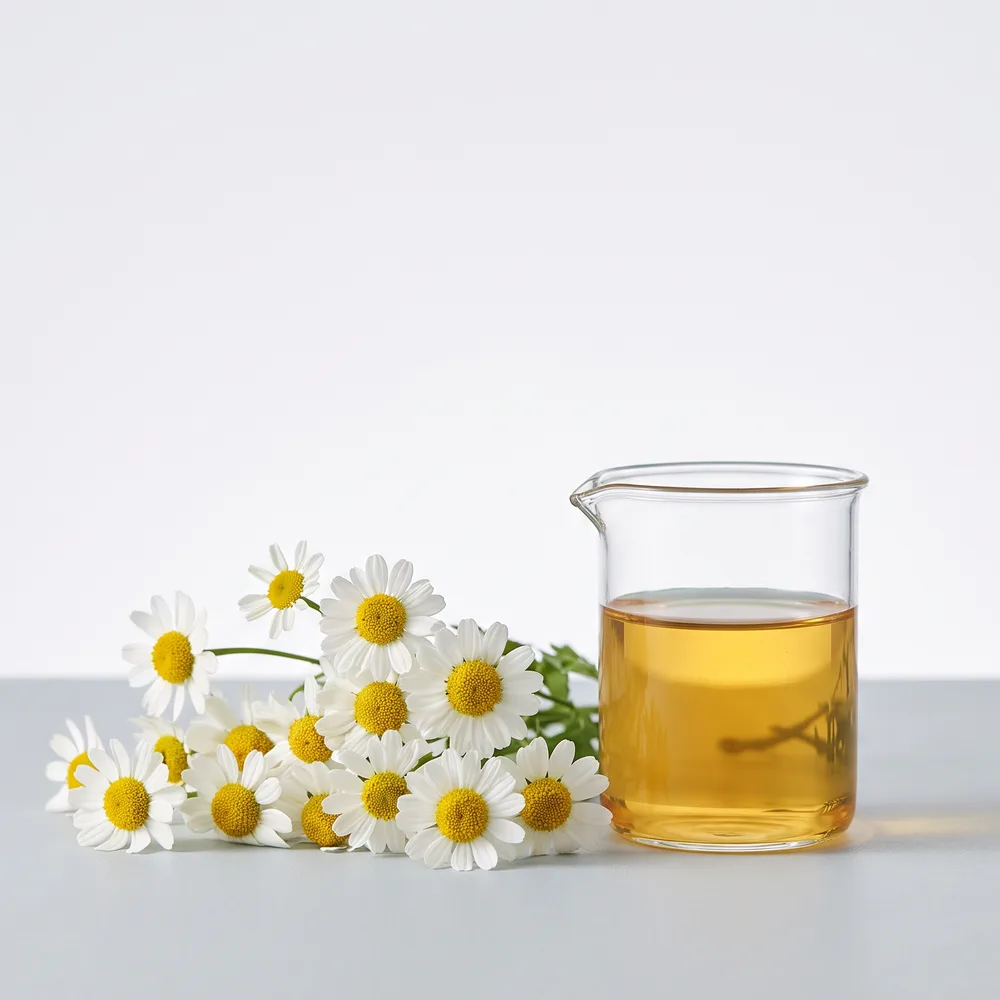
Ingredient
Chamomile is one of the best-known soothing plants. It helps calm sensitive skin and reduce the appearance of redness.
Chamomile contains bisabolol, chamazulene and flavonoids such as apigenin. These components give the extract its characteristic soothing profile.
It is a common ingredient in intimate wash lotions, baby care and products for sensitive skin, where a gentle, soothing effect is important.
More in the ingredient glossary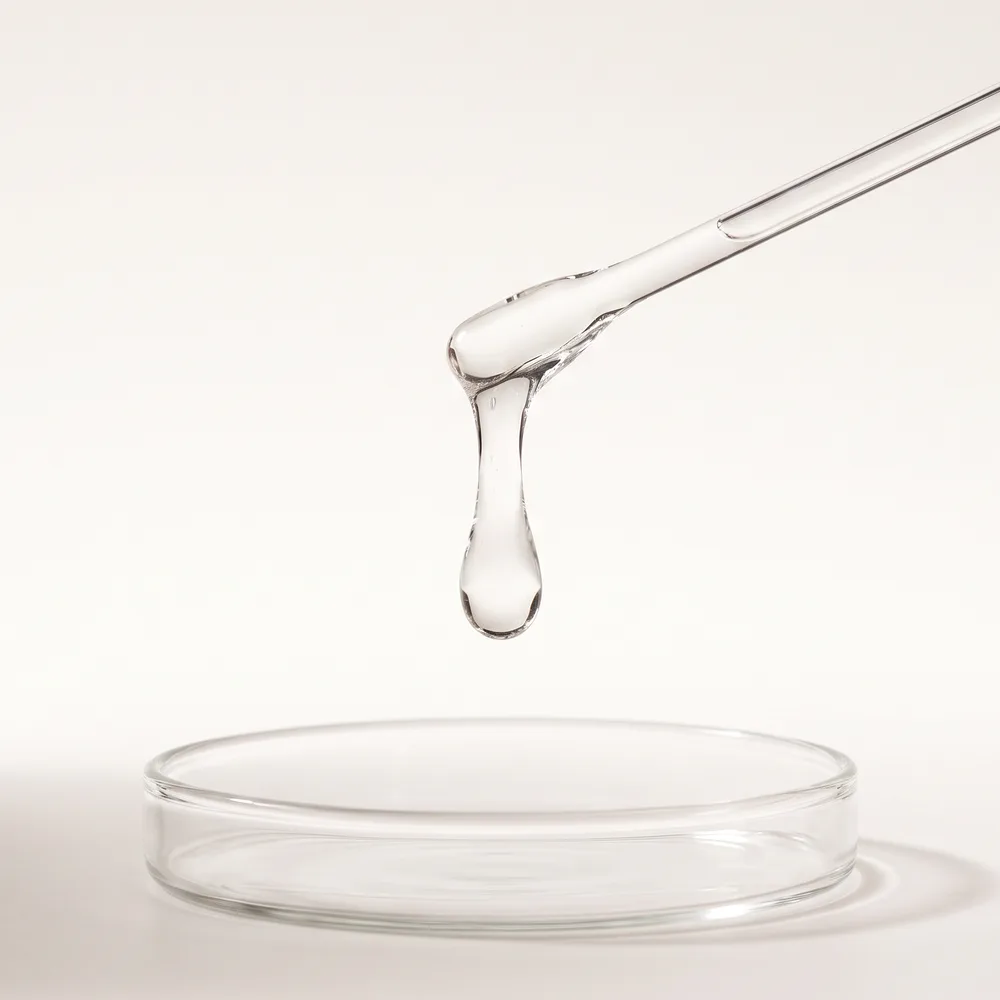
Ingredient
Panthenol is a humectant that attracts and binds moisture. It helps soothe dry, stressed skin and supports a healthy-looking skin barrier – which is why it features in everything from baby care to sun protection.
Panthenol is the alcohol form of pantothenic acid (vitamin B5). It is a clear, viscous liquid that dissolves readily in water and can be incorporated into gels, creams, ointments and wash lotions.
On the skin, panthenol is converted into pantothenic acid, a component of coenzyme A. It gives formulas a nourishing, cushioning feel and helps reduce transepidermal water loss, leaving skin feeling comfortable and less tight.
More in the ingredient glossary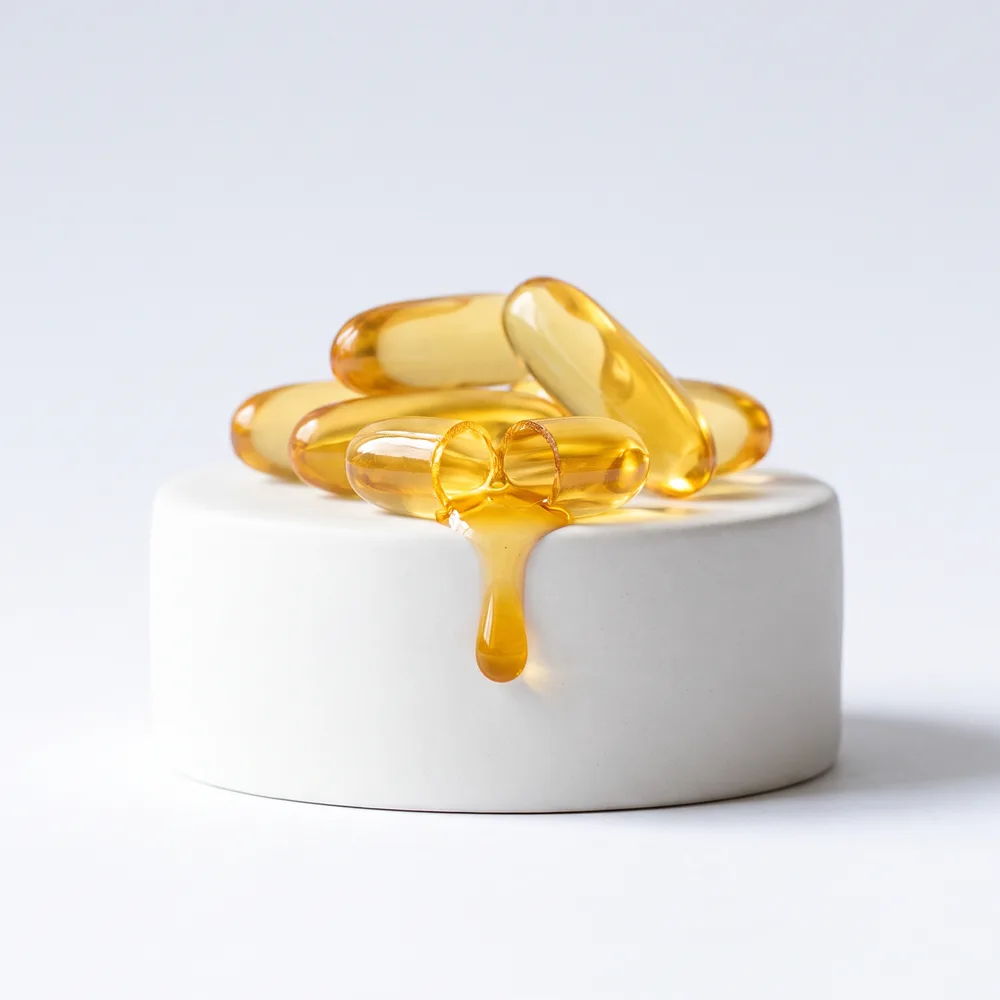
Ingredient
Vitamin E is the skin's most important fat-soluble antioxidant. It helps protect the skin's lipids from oxidative stress and leaves a soft, nourished skin feel.
Vitamin E refers to a family of compounds; the most common in skin care are tocopherol and the more stable ester tocopheryl acetate.
Vitamin E sits within the lipid layers of the skin and the formula itself, where it neutralises free radicals before they can damage oils and membranes. It is therefore used both as an active ingredient and to help keep plant oils fresh. It works synergistically with vitamin C.
More in the ingredient glossary
Ingredient
Aloe vera provides light moisture and delivers a cooling, soothing sensation. A classic for dry, tight or sun-stressed skin.
The gel from inside the aloe leaf consists of approximately 99% water. The remainder is made up of polysaccharides, amino acids, minerals and vitamins.
The polysaccharides form a light, moisture-binding film on the skin. That is why aloe is used in serums, gels and intimate care products for a refreshing feeling without heaviness.
More in the ingredient glossaryThis glossary provides general information about cosmetic ingredients. It does not replace advice from a doctor, midwife or pharmacist. Always follow the instructions on the individual product.
New products, price lists and registration status for your country – directly from the manufacturer.
Opens your email client with a message to info@crevil.de. For information on how your data is processed, please see our Privacy Policy.
Cookies & Analytics
We would like to use Google Analytics to understand how visitors use our website. This involves setting cookies and transmitting data to Google, possibly including to the USA. This only takes place with your consent, which you can withdraw at any time via "Cookie Settings" at the bottom of every page. Find out more in our Cookie Policy and Privacy Policy.